Wondering how to choose wooden doors? Doors are easy to overlook until you have to live with the wrong ones. A door that sticks, lets every sound through or just looks out of place is something you’ll notice every single day.
The good news is that picking doors doesn’t have to be complicated. How to Choose Wooden Doors? Once you know a few basics — how they open, what they’re made of and what to check — the choices get a lot clearer. Let’s walk through it.
1. Types of Wooden Doors
First, think about how the door actually moves. Most doors swing open on hinges, and that works fine in most rooms. But if a door swings into a tight hallway or blocks the bathroom, a sliding door or a pocket door that disappears into the wall can save a lot of space.
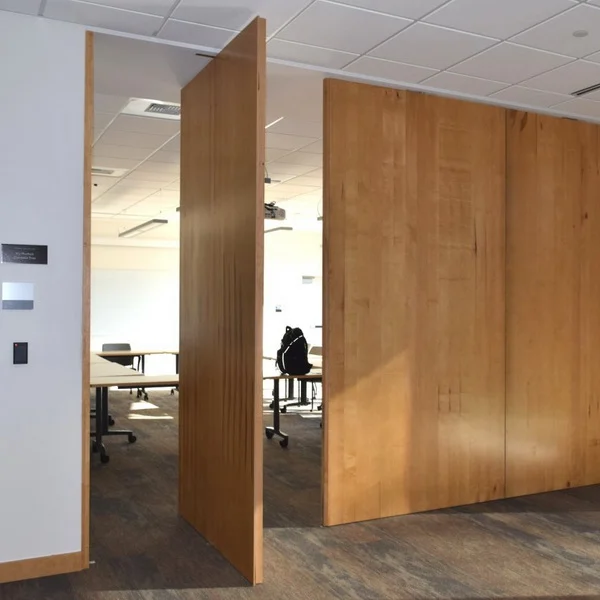
Bifold and folding doors are made for wide openings, like closets or a kitchen opening. Barn doors and pivot doors are more of a style statement, and they look great in the right spot, but they don’t suit every room. A simple question helps: when the door is open, where does it go?
2. Materials and Core Structures
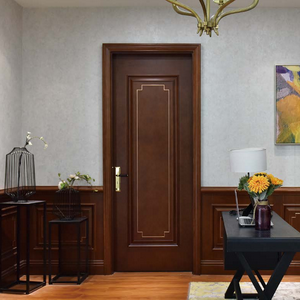
Not all wooden doors are solid timber, and that’s completely normal. A solid wood door is just that — wood all the way through — and it can be sanded back and refinished years later. It’s also the priciest option and can move slightly with the weather.
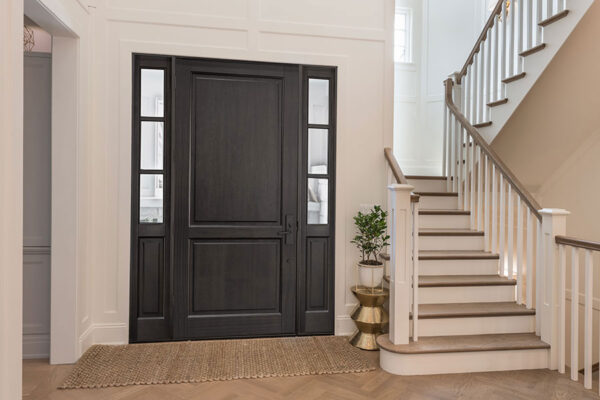
Most doors today use a solid core, engineered wood or MDF under a timber-looking surface. They’re stable, good at blocking sound and usually cost quite a bit less. The surface might be real wood veneer, melamine, laminate or paint. Near a shower or a steamy kitchen, ask for moisture-resistant materials. In commercial buildings, fire-rated cores are often not optional.
3. Sizes, Finishes and Hardware
Measure before you fall in love with anything. Standard sizes cover most newer homes, but older houses and commercial spaces often have odd-sized openings. Don’t forget to allow for the frame and for flooring that hasn’t gone down yet.
It’s tempting to spend everything on the door and skimp on the hardware. Don’t. Hinges, handles, locks and tracks are what make a door feel solid or flimsy day to day. Doors that get a lot of use really benefit from commercial-grade hinges, and matching the handle finish to your other fittings pulls the whole room together.
4. Conclusion
At the end of the day, you want a door that opens the way you need, holds up to the room and fits the budget. Nail down the door type first, then worry about the core and the finish.
If you’re ordering more than a couple of doors, go with someone who can make them all to the same size and finish. Sort it out early, and it’s one less thing to rush at the end of a project.