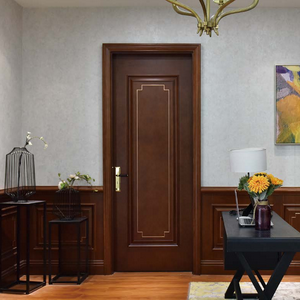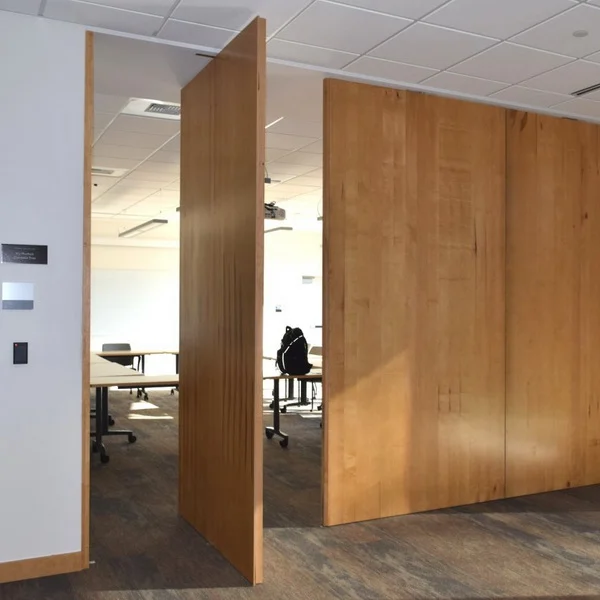
Commercial interior doors are more commonly used than the home doors. It gets opened hundreds of times a day, and one squeaky or failing door gets noticed by everyone.
Getting the right doors early on saves a lot of headaches later. Here’s what to think through, from how much wear they’ll take to what the building actually requires.
1. Work Out How Much Use They’ll Get
Start with a simple count: how often will this door open, and who’s walking through it? Entrances, corridors and shared facilities never stop, so they need sturdy frames and hardware built for constant use. A private office door doesn’t need the same spec.
The type of building tells you a lot. A hotel needs hundreds of doors that all look the same. A hospital needs surfaces that wipe down without tricky grooves. A school needs doors that can handle being kicked and bumped. Write that down before you start browsing products.
2. Pick the Right Core and Surface
For commercial work, solid core, engineered wood and composite doors are the usual choices — they’re stable and they deaden sound. A frame of solid wood stiles and rails with engineered panels gives you a real timber look without the movement of a solid slab. Bear in mind the core also drives the weight, the price and the fire rating.
Then match the surface to the room. Laminate and melamine stand up to scratches and spills in busy areas, veneer gives you genuine wood, and painted doors let you match brand colours. Anything damp or clinical needs a surface that won’t soak up moisture.
3. Fire Rating, Acoustics and the Rules
Plenty of commercial doors have to be fire-rated, which means certified cores, intumescent seals and often self-closing hardware. Sound matters too — nobody wants to hear the corridor from a hotel room or a consultation room.
Accessibility rules can dictate door widths, lever handles and clear floor space. Check the local codes before you specify anything, and ask the manufacturer for the actual test certificates. Sorting this out upfront is far cheaper than replacing doors after a failed inspection.
4. Conclusion
Commercial interior doors really come down to three things: how they’re used, what they’re made of and whether they meet the rules. Get the core and surface right for the traffic, and confirm the fire and acoustic specs early.
A manufacturer who can deliver consistent doors in volume — with the paperwork and custom options to match — makes your job much easier. Bring us in early and the whole specification runs more smoothly.